
Church Parking Monetization: How Churches Can Generate Revenue From Underused Parking Lots
Church parking lots often sit empty five or six days a week. With the right approach, that pavement can quietly fund ministry — here is how churches monetize parking without compromising their mission.
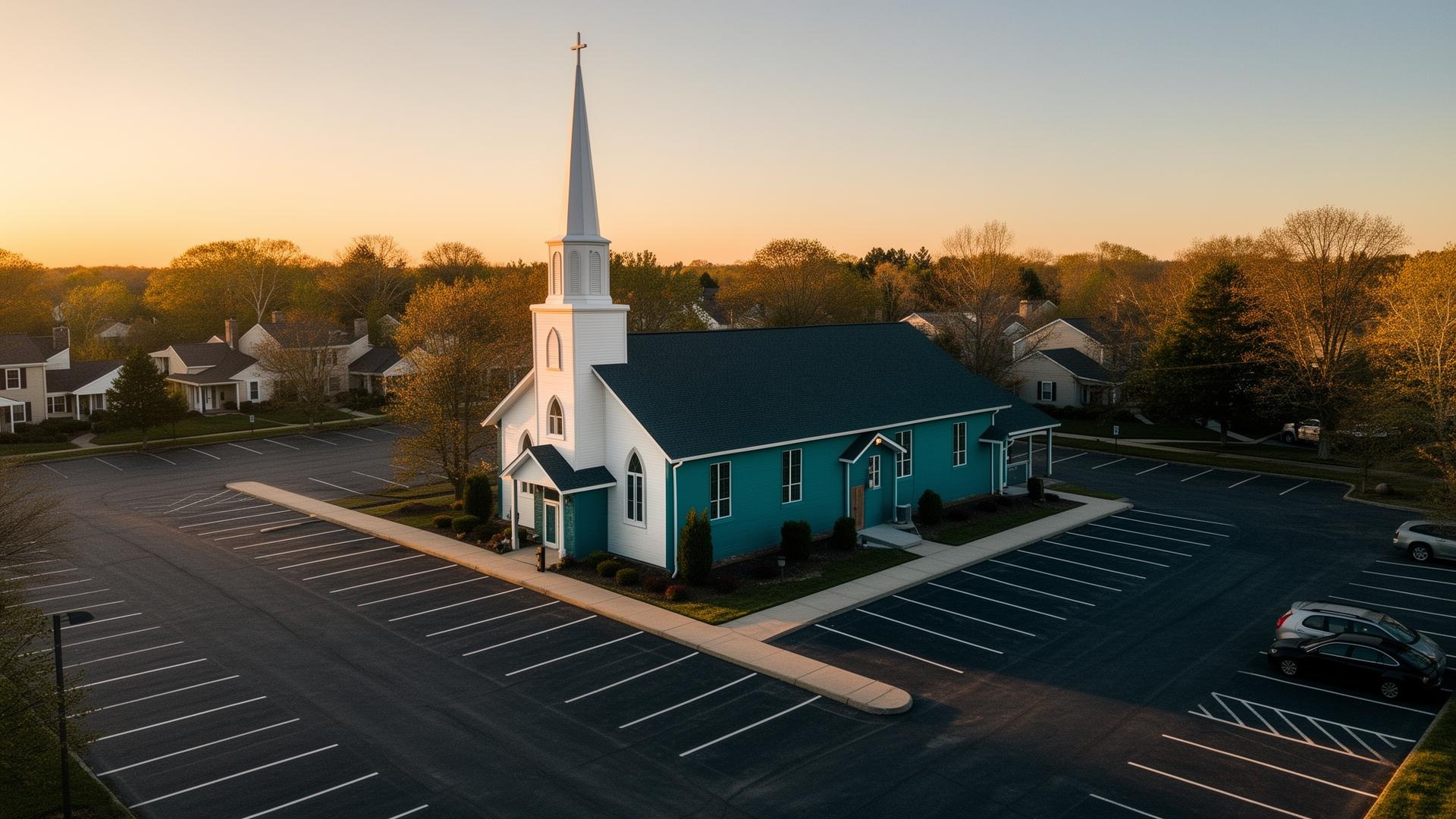
Many churches are sitting on an asset they rarely think about.
Their parking lot.
Every week, churches invest significant resources into maintaining parking areas that may sit largely empty for most of the week. While these lots are essential during services, special events, and ministry activities, they often remain unused for five or six days at a time.
As operating costs continue to rise, many churches are exploring new ways to generate revenue without compromising their mission.
One opportunity that is often overlooked is parking lot monetization. When approached thoughtfully, church parking can create supplemental income that helps fund ministry programs, building improvements, community outreach, and operational expenses.
Why Church Parking Has Value
Parking has become increasingly valuable in many communities. Urban growth, increased development, limited parking availability, and rising land costs have created demand for parking in areas that once had plenty of supply.
Churches often own parking lots that are well maintained, conveniently located, easily accessible, and underutilized during weekdays. This combination creates opportunities to generate revenue while still preserving parking availability for church activities.
Understanding Parking Demand
The first step is evaluating whether there is demand for parking in the surrounding area.
Questions to consider include: Are there nearby office buildings? Is the church close to downtown? Are there nearby hospitals? Are there restaurants and retail centers nearby? Is public parking limited? Are there local events that create parking demand?
The answers help determine whether monetization opportunities exist. A church located in a growing commercial district may have significantly more parking demand than one located in a rural area.
Monthly Parking Programs
One of the most common monetization strategies is offering monthly parking.
Nearby employees, commuters, and business owners often seek reliable parking close to their workplace. Churches can lease a portion of their available parking inventory during weekdays while maintaining full access for weekend services.
Benefits include predictable monthly income, stable occupancy, minimal operational complexity, and long-term customer relationships. For many churches, monthly parking becomes the foundation of their parking revenue strategy.
Event Parking Opportunities
Churches located near sports venues, universities, convention centers, concert venues, festivals, and downtown entertainment districts may benefit from event parking.
Large events often create temporary parking shortages. Church parking lots can help meet this demand while generating additional revenue.
Event parking can be especially attractive because it allows churches to monetize parking during specific periods without long-term commitments.
Leasing Spaces to Local Businesses
Nearby businesses frequently need additional parking. Restaurants, medical offices, retail centers, and professional offices may struggle to provide enough parking for employees and customers.
Churches with excess parking capacity may be able to lease spaces directly to nearby organizations. This arrangement often creates recurring income while supporting local businesses.
Partnering With Parking Operators
Some churches choose to work with professional parking management companies. These operators handle marketing, reservations, payment collection, customer service, and enforcement.
This allows church leadership to focus on ministry while still benefiting from parking revenue.
Maintaining the Church Mission
One concern church leaders often express is whether parking monetization conflicts with their mission. In most cases, the answer depends on how the program is structured.
Many churches use parking revenue to support community outreach, food programs, youth ministries, building maintenance, scholarship funds, and mission projects. When parking revenue directly supports ministry goals, it can strengthen the church's ability to serve its community.
Real World Example
Imagine a church with 120 parking spaces. During weekdays, only a small portion of those spaces are used.
The church leases 50 spaces to nearby office workers at $60 per month. That generates $3,000 in monthly revenue, or $36,000 per year.
Without constructing new buildings or increasing donations, the church creates an additional source of funding for ministry initiatives.
Common Mistakes Churches Make
Assuming No Demand Exists
Many churches never explore local parking demand and miss potential opportunities.
Leasing Too Much Inventory
It is important to preserve sufficient parking for church activities and special events.
Failing to Review Agreements
Parking arrangements should be documented clearly to protect both parties.
Ignoring Community Relationships
Parking programs should enhance, not negatively impact, relationships with neighbors and surrounding businesses.
Factors That Influence Church Parking Revenue
Several variables affect income potential.
Location
Churches located in urban areas often experience stronger parking demand.
Parking Capacity
Larger parking lots typically offer greater monetization opportunities.
Accessibility
Easy access increases attractiveness to potential users.
Nearby Development
Growth in surrounding areas can increase parking demand over time.
Local Parking Supply
Limited nearby parking often supports higher rates.
Frequently Asked Questions
Can churches legally charge for parking?
In many jurisdictions, churches can charge for parking or lease parking spaces, though local regulations should always be reviewed.
Will parking monetization interfere with church activities?
When properly managed, parking programs can coexist with normal church operations.
How much revenue can church parking generate?
Revenue varies depending on location, demand, pricing, and utilization.
Is church parking monetization common?
Increasingly, churches across the country are exploring parking revenue as a way to support ministry activities and offset operating expenses.
Final Thoughts
Church parking lots often represent one of the most underutilized assets on church property. While parking may not be the first thing church leaders think about when considering financial sustainability, it can provide meaningful supplemental income when demand exists.
The key is understanding local market conditions, evaluating available parking inventory, and implementing a strategy that aligns with the church's mission and community goals.
If your church owns parking spaces that sit empty for much of the week, use the What Is My Parking Worth calculator to estimate their revenue potential and discover opportunities to turn unused parking into a resource that supports your ministry.